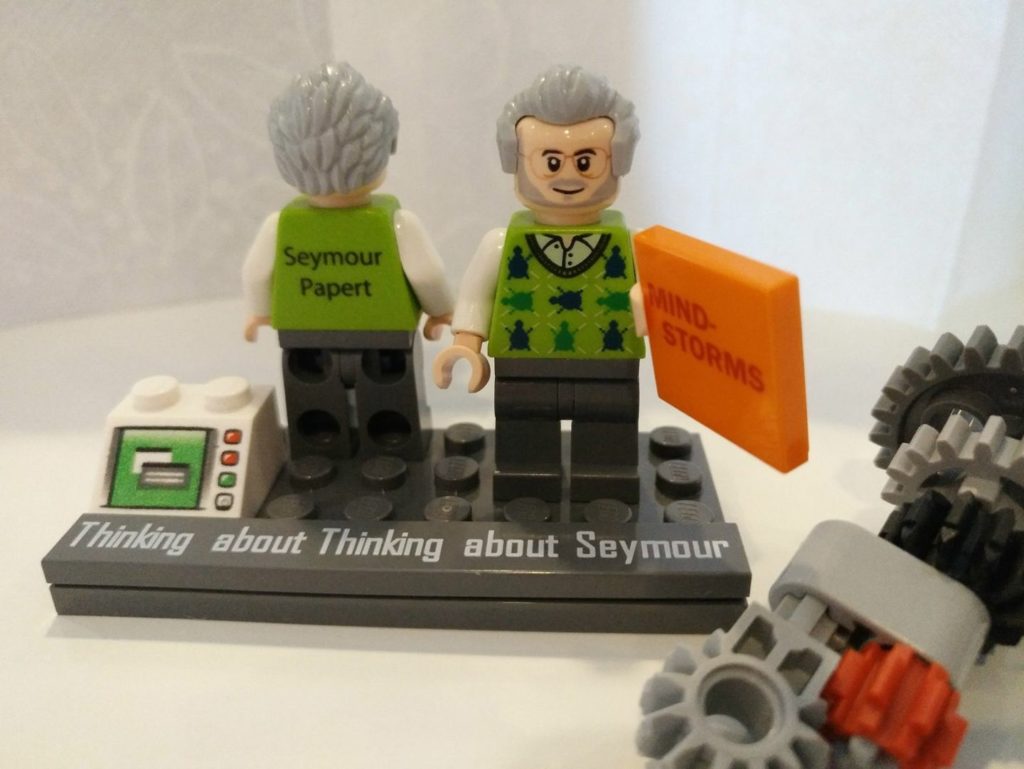
LEGO, Logo, and Design
Attached is a 1988 paper written by the designers of LEGO TC Logo, Seymour Papert, Steve Ocko, and Mitchel Resnick.
LEGO, Logo, and Design Read More »
Attached is a 1988 paper written by the designers of LEGO TC Logo, Seymour Papert, Steve Ocko, and Mitchel Resnick.
LEGO, Logo, and Design Read More »
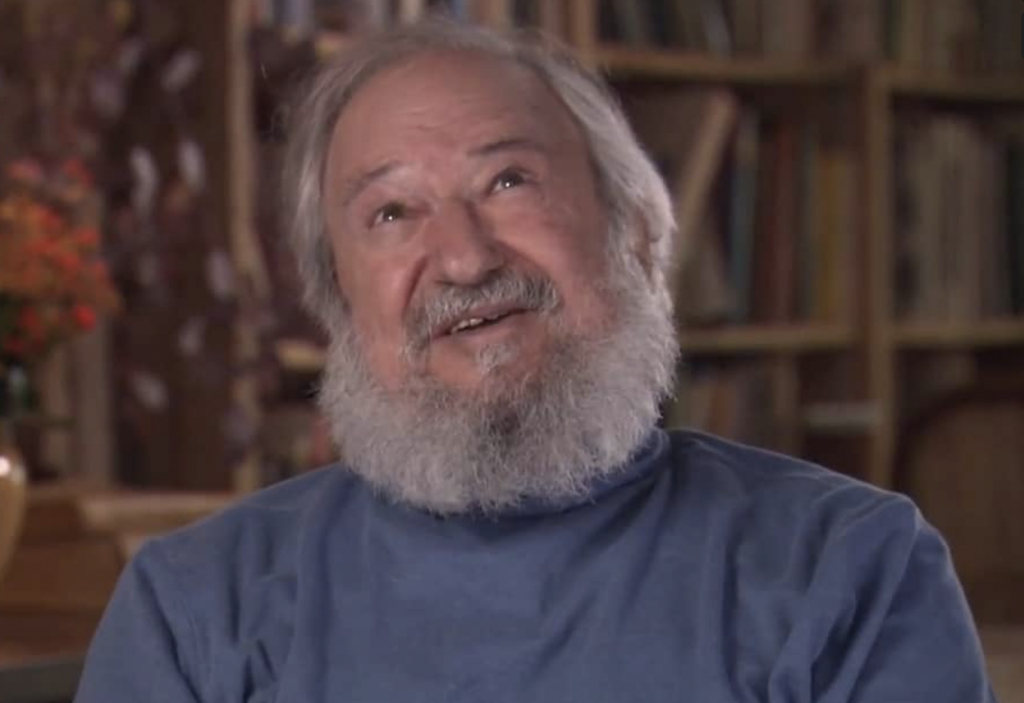
This interview appears to have been recorded for the 2002 Squeakers documentary DVD by a team from Ball State University. Transcription attached.
Outtakes from Seymour Papert’s Squeakers DVD Interview Read More »
“The next issue, which was the one I really wanted to touch on, was what … Was about how those computers would be used, and how they could be used, centered around whether you would look for the use of the computer that automated teaching, in the spirit that people often still associate with the
The Lessons of Logo Teaching and Computers Magazine “The Magazine for Teachers of the 1990s” March/April 1990 – Volume 7, Number 5 Orlando, L. C. (1990). The Lessons of Logo. Teaching and Computing, 7(5), 20-25. Teaching and Computers Lessons of Logo 1990 searchable It was almost 25 years ago that Logo, the first programming language
The Lessons of Logo Read More »
“In many schools today, the phrase “computer-aided instruction” means making the computer teach the child. One might say the computer is being used to program the child. In my vision, the child programs the computer and, in doing so, both acquires a sense of mastery over a piece of the most modern and powerful technology
Eight Big Ideas Behind the Constructionist Learning Lab By Dr. Seymour Papert (1999) From the Ph.D. dissertation, “An Investigation of Constructionism in the Maine Youth Center,” by Gary Stager, 2007. A number of translations of this document into other languages may be found here. The first big idea is learning by doing. We all learn
Eight Big Ideas Behind the Constructionist Learning Lab Read More »
Seymour Papert makes several profound points in this very short clip from a 1991 conference keynote. The complete video, along with its transcript may be found here. “Another way of describing what school does to children is infantilizing them, treating them like children so to speak. Now, one’s got to be careful playing with that
“The world lost an amazing wit, intellect, inventor, bricoleur, scholar, freedom fighter, and friend with the passing of Seymour Papert. He was arguably the most influential educator of the past half century. It would be wise for us all to start thinking about what we each might do to build upon his mighty legacy.” Gary Stager,
A Heartfelt Tribute to Seymour Papert Read More »
This commercial video, produced around 1986, features Seymour Papert answering questions from teachers. This discussion explores many of Papert’s recurring themes of children, computers, and powerful ideas. Papert also interprets Piagetian theory for the assembled practitioners. Transcript Seymour Papert: Should we sit down? I think what I learned most from Piaget is that the
Seymour Papert on Logo Read More »
The Conservation of Piaget: The Computer as Grist to the Constructivist Mill is an overlooked academic paper written by Seymour Papert in 1988. It represents one of Dr. Papert’s few published works of psychology and clarifies some misconceptions of Piaget while introducing perspectives from women’s studies. Papert, S. (1988). The Conservation of Piaget: The Computer as
The Conservation of Piaget: The Computer as Grist to the Constructivist Mill Read More »